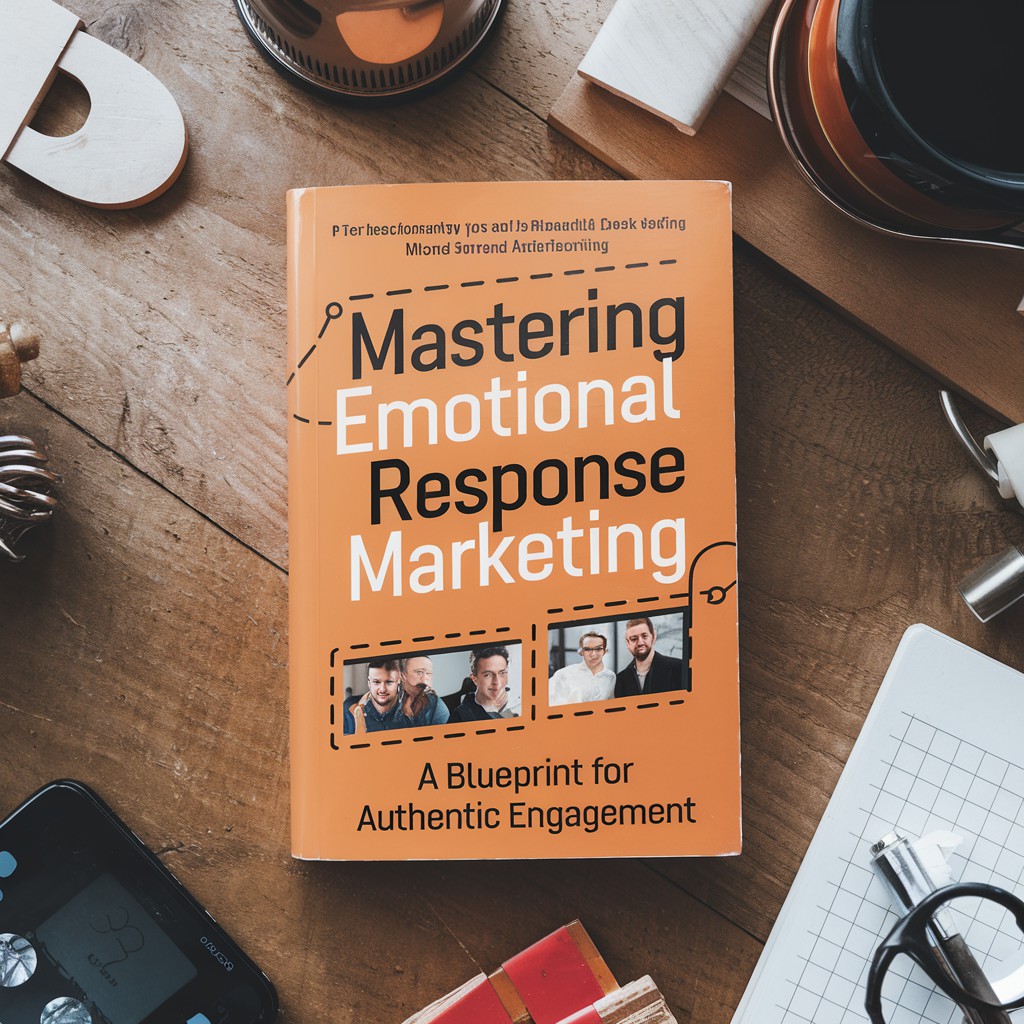
In this blog, we explore the powerful concept of Emotional Response Marketing, drawing insights from a compelling presentation that highlights the importance of storytelling and authenticity in marketing. Learn how to connect deeply with your audience and foster lasting relationships while driving sales.
Table of Contents
- Introduction to Emotional Response Marketing
- Personal Journey : From Struggle to Success
- The Impact of Personal Stories in Marketing
- Understanding Direct Response Marketing
- Defining Emotional Response Marketing
- The Importance of Authenticity in Marketing
- Emotional Decision-Making in Purchases
- Implementing Emotional Response Marketing in Your Brand
- Case Studies: Success Stories of Emotional Marketing
- Application Across Various Industries
- Creating Content for Emotional Engagement
- Building Authentic Relationships with Your Audience
- Conclusion and Next Steps
- FAQ
Introduction to Emotional Response Marketing
Emotional Response Marketing is a transformative approach that prioritizes the audience’s feelings over traditional sales tactics. By focusing on the emotional journey of potential customers, brands can create deeper connections that lead to loyalty and trust. This strategy shifts the conversation from mere transactions to meaningful relationships, allowing marketers to resonate with their audience on a personal level.
The Shift in Marketing Paradigms
In today’s fast-paced digital landscape, consumers are bombarded with countless messages vying for their attention. Emotional Response Marketing stands out as a beacon of authenticity. It recognizes that while logical arguments and statistics can inform decisions, emotions ultimately drive purchases.
Personal Journey: From Struggle to Success
Every successful marketer has a story, often filled with challenges that shape their path. My own journey began in a place of hardship, marked by personal loss and uncertainty. The turning point came when I embraced the power of storytelling, which became a central theme in my marketing strategy.
Turning Pain into Purpose
From the depths of grief following my father’s illness, I discovered the potential of my voice. Sharing my experiences allowed me to connect with others who faced similar struggles. This connection was not just cathartic; it became a powerful marketing tool. By being vulnerable, I invited my audience into my world, fostering trust and engagement.
The Impact of Personal Stories in Marketing
Personal stories are the cornerstone of Emotional Response Marketing. They serve as a bridge between the marketer and the audience, facilitating empathy and understanding. When brands share authentic narratives, they humanize themselves and become relatable.
Why Stories Matter
- Connection: Stories create an emotional bond that transcends traditional marketing approaches.
- Memorability: People remember stories far better than facts or figures, making them a powerful tool for retention.
- Inspiration: A well-told story can inspire action, prompting audiences to engage with the brand.
Understanding Direct Response Marketing
Direct Response Marketing is characterized by its focus on immediate action from the audience. It’s about prompting prospects to take specific steps, such as making a purchase or signing up for a newsletter. This method is effective, but it often lacks the emotional depth necessary for long-term engagement.
Key Features of Direct Response Marketing
- Immediate Call to Action: Direct Response Marketing typically includes prompts like “Buy Now” or “Sign Up Today.”
- Measurable Results: This approach allows marketers to track conversions and ROI effectively.
- Short-Term Focus: While effective for quick sales, it may not foster lasting relationships.
Defining Emotional Response Marketing
Emotional Response Marketing shifts the focus from immediate actions to emotional connections. It emphasizes the feelings and experiences of the audience, creating a narrative that resonates deeply. This approach is not just about selling a product but about selling an experience and a feeling.
Core Principles of Emotional Response Marketing
- Storytelling: Using personal narratives to engage and connect with the audience.
- Authenticity: Being genuine and transparent in communication fosters trust.
- Empathy: Understanding and addressing the emotional needs of the audience.
The Importance of Authenticity in Marketing
Authenticity is crucial in Emotional Response Marketing. In an era where consumers crave transparency, brands that present themselves honestly are more likely to succeed. Authenticity builds trust, and trust drives loyalty.
Building Authentic Connections
To build authentic connections, brands must be vulnerable and open about their values and mission. Sharing both successes and failures creates a relatable narrative, allowing consumers to see the brand as more than just a faceless entity.
Emotional Decision-Making in Purchases
Understanding emotional decision-making is vital for marketers. Research shows that a significant portion of purchasing decisions is driven by emotions rather than logic. This insight underscores the importance of crafting marketing strategies that resonate on an emotional level.
The Role of Emotions in Buying Decisions
- Trust: Consumers are more likely to purchase from brands they trust, which is cultivated through emotional connections.
- Desire: Emotional triggers can create a strong desire for a product, often surpassing logical reasoning.
- Fear of Missing Out (FOMO): Emotional responses to scarcity or urgency can compel immediate action.
Implementing Emotional Response Marketing in Your Brand
To successfully implement Emotional Response Marketing, brands must first understand their audience’s emotional triggers. Conducting thorough research through surveys, interviews, and social media listening can uncover these insights. Once identified, brands can craft narratives that resonate with these emotional drivers.
Start by integrating storytelling into your marketing strategy. Share stories that reflect your brand’s values and mission, making sure they are authentic and relatable. This creates a deeper connection with your audience, fostering loyalty over time.
Additionally, consistency in messaging across all platforms is crucial. Whether through email, social media, or advertising, ensure that your emotional narratives remain cohesive. This consistency reinforces your brand identity and strengthens customer relationships.
Steps to Implement Emotional Response Marketing
- Identify Emotional Triggers: Use research tools to understand what resonates with your audience.
- Create Compelling Narratives: Develop stories that highlight your brand’s journey and values.
- Leverage Multiple Channels: Share your stories across various platforms to reach a wider audience.
- Engage with Your Audience: Encourage feedback and interaction to build a community around your brand.
- Measure and Optimize: Analyze engagement metrics to refine your approach continuously.
Case Studies: Success Stories of Emotional Marketing
Numerous brands have successfully implemented Emotional Response Marketing, showcasing its effectiveness. One notable example is Nike, which often leverages emotional storytelling in its campaigns. Their “Just Do It” campaign features athletes overcoming adversity, inspiring consumers to connect with the brand on a personal level.
Another success story is Dove’s “Real Beauty” campaign, which celebrates diversity and body positivity. By sharing real stories and
images of everyday women, Dove resonated with audiences, fostering a sense of community and trust.
These case studies illustrate that emotional marketing can lead to increased brand loyalty and sales. When consumers feel connected to a brand’s story, they are more likely to become repeat customers and advocates.
Key Takeaways from Successful Brands
- Authenticity Matters: Genuine stories create trust.
- Emotional Resonance: Tap into feelings that matter to your audience.
- Community Building: Foster connections through shared experiences.
Application Across Various Industries
Emotional Response Marketing is versatile and can be adapted to various industries. In retail, brands can share customer stories that highlight positive experiences with their products. This not only showcases the product but also builds a community around shared values.
In the healthcare sector, emotional marketing can emphasize patient stories, showcasing the human side of medical services. By sharing
testimonials and experiences, healthcare providers can build trust and empathy with potential patients.
Even in B2B markets, companies can use emotional narratives to connect with clients. Sharing success stories of how your service positively impacted another business can resonate with potential clients, demonstrating the value of your offerings.
Industries That Benefit from Emotional Response Marketing
- Retail: Customer testimonials and brand stories.
- Healthcare: Patient experiences and success stories.
- B2B Services: Case studies highlighting client success.
- Nonprofits: Stories of impact and community involvement.
Creating Content for Emotional Engagement
Content creation for emotional engagement requires a strategic approach. Start by identifying the core message you want to convey and the emotions you wish to evoke. This message should align with your brand’s values and resonate with your target audience.
Visual storytelling can enhance emotional engagement. Use images and videos that evoke feelings and complement your narrative. For
example, behind-the-scenes videos that showcase your team’s dedication can create a relatable and humanized brand image.
Incorporating user-generated content is another effective strategy. Encourage your audience to share their stories related to your brand, creating a sense of community and shared experience.
Tips for Creating Emotionally Engaging Content
 Know Your Audience: Tailor content to the emotional triggers of your target demographic.
 Use Visuals: Incorporate images and videos to enhance emotional storytelling.
- Encourage Participation: Invite your audience to share their stories and experiences.
- Be Consistent: Maintain a cohesive emotional narrative across all content.
Building Authentic Relationships with Your Audience
Building authentic relationships with your audience is the cornerstone of Emotional Response Marketing. Start by being transparent about your brand’s values and mission. This openness fosters trust and invites consumers to engage with your brand on a deeper level.
Engagement is key; actively listen to your audience’s feedback and respond to their needs. Demonstrating that you value their opinions can significantly enhance the relationship.
Additionally, consistency in communication helps to solidify these relationships. Regularly share updates, stories, and content that reflect your brand’s journey and values, keeping your audience engaged and connected.
Strategies for Fostering Authentic Relationships
- Be Transparent: Share your brand’s journey, including challenges and successes.
- Listen Actively: Encourage feedback and show that you value your audience’s input.
- Engage Regularly: Maintain consistent communication through newsletters, social media, and other channels.
Conclusion and Next Steps
Emotional Response Marketing is a powerful approach that can transform how brands engage with their audience. By focusing on authentic storytelling and emotional connections, brands can foster loyalty and drive long-term success.
To implement this strategy effectively, start by understanding your audience’s emotional triggers, crafting compelling narratives, and maintaining consistency across all platforms. As you build authentic relationships, you’ll find that your audience becomes more invested in your brand.
Take the first step today by evaluating your current marketing strategies. Identify areas where you can incorporate emotional storytelling and begin crafting narratives that resonate with your audience.
FAQ
What is Emotional Response Marketing?
Emotional Response Marketing focuses on creating emotional connections with consumers through storytelling and authentic communication. It prioritizes feelings over traditional sales tactics to build trust and loyalty.
How can I implement Emotional Response Marketing in my brand?
Identify your audience’s emotional triggers, create compelling narratives, and share them across multiple channels. Engage with your audience and maintain consistency in messaging.
Can Emotional Response Marketing work in B2B contexts?
Yes, Emotional Response Marketing can be effective in B2B contexts by sharing success stories and testimonials that resonate emotionally with potential clients.
What types of content should I create for Emotional Engagement?
Create content that reflects your brand’s values, highlights customer stories, and uses visual storytelling to evoke emotions. User- generated content can also enhance engagement.
How do I measure the effectiveness of my Emotional Response Marketing efforts?
Track engagement metrics such as open rates, click-through rates, and audience feedback to gauge the effectiveness of your emotional marketing campaigns.
Leave a Reply